Sermon 5th July 2020, Fifth Sunday after Trinity
Genesis 25.19-34 & Matthew 13.1-9,18-23
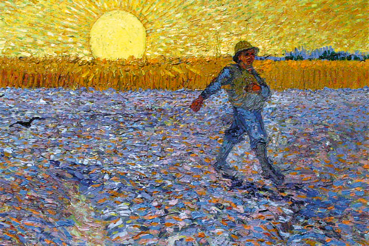 This morning we hear two iconic stories, which I am sure are familiar to many of us. The story of Jacob and Esau, in which Esau sells his birth right for an evening meal, and the parable of the sower, in which we hear about four types of different soil. As always, I think, when we read or hear these passages, the question to us is how we relate to them. How may these words speak to us today, this morning? What is it that we need to hear? The way I often try to do this is by imagining myself to be one of the people in the story or imagining what it would be like meeting one of them.
It seems that today’s readings lend themselves particularly well for this. For those of us who have siblings, we may look at our own relationships in the light of the dynamic between Jacob and Esau. And I suspect that many of us will hear the parable of the sower and wonder what type of soil we are.
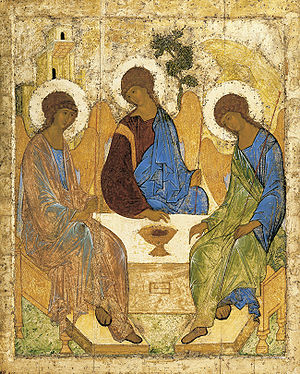 Today, the Sunday after Pentecost, is Trinity Sunday. The Trinity is one of the most fundamental beliefs in Christianity. It is the belief that God is both one God, but yet three persons: Father, Son and Holy Spirit. The first defence of the doctrine of the Trinity does not occur until the 3rd century, and the concept as such is not mentioned in the Bible.
 The beautiful and intimate story that we hear in Luke’s Gospel this morning brings us back to the first Easter Day. On the same day as the women discovered the empty tomb, two of the disciples are on their way to a village called Emmaus, which is a good two hours walk.
 This passage from John’s Gospel, Jesus’ appearance to the disciples is traditionally read on the Sunday after Easter Day. It has striking similarities with the preceding passage, which we heard last week: Jesus’ appearance to Mary on the first Easter morning. Maybe one of the most striking differences, however, is the setting: where it takes place. Whereas Mary went to the tomb, searching, the disciples are in a house, hiding.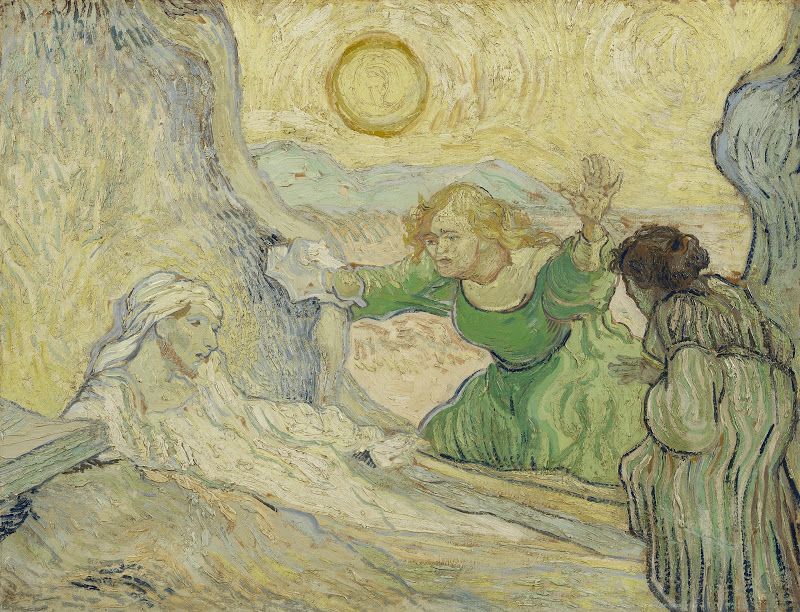
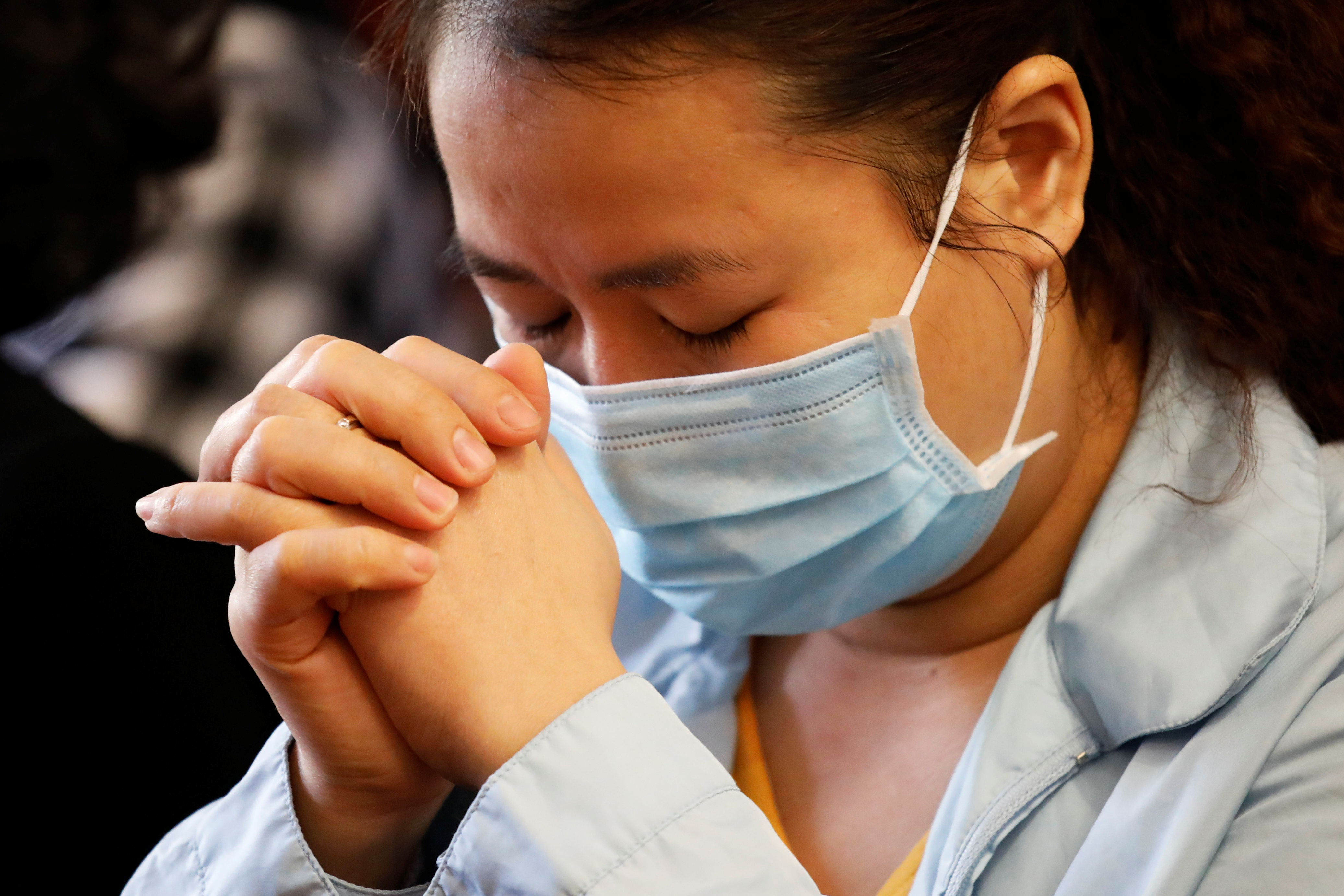 The challenge that Jesus puts before us as he speaks to the Samaritan woman is timely for us: those who drink of the water that I will give you, will never be thirsty again. Surely, this is going too far; surely now our focus should be on ourselves and our own safety? Or do we dare to be challenged and think what it may look like for us to leave our water-jars at the well to go and tell people about the living water? So this morning, I would like to think a little bit about how we can have a genuinely Christian response to our crisis. It comes with a disclaimer: it is no official health advice, but rather food for thought in these challenging times.

 Or are you maybe a little bit like myself? When I start thinking about what I should or would like to change about my life, I easily get overwhelmed. There seems to be so much that I could and should do better, that I don’t even know where to start. Therefore, also this year I have fallen back to my default resolutions: giving up alcohol, praying more and spending more time with God.
 Discovering Life