Sermon St Mary’s Marlborough, Sunday 15th March 2020
Third Sunday of Lent: Romans 5.1-11 & John 4.5-42
In our Gospel reading this morning, we hear the conversation between Jesus and the Samaritan woman. Jesus speaks about the living water and the food to eat of which the disciples do not know. The language is typical for John’s Gospel, with a focus on the spiritual elements of our faith. As we gather here this morning in the midst of the Corona virus crisis, I wonder what those words mean to us? In the last few days, I suspect our focus has been very much on our ‘physical’ needs, so to say: how do we stay safe and how do we make sure that we have enough to eat and to drink if we don’t have access to food as we may be used to?
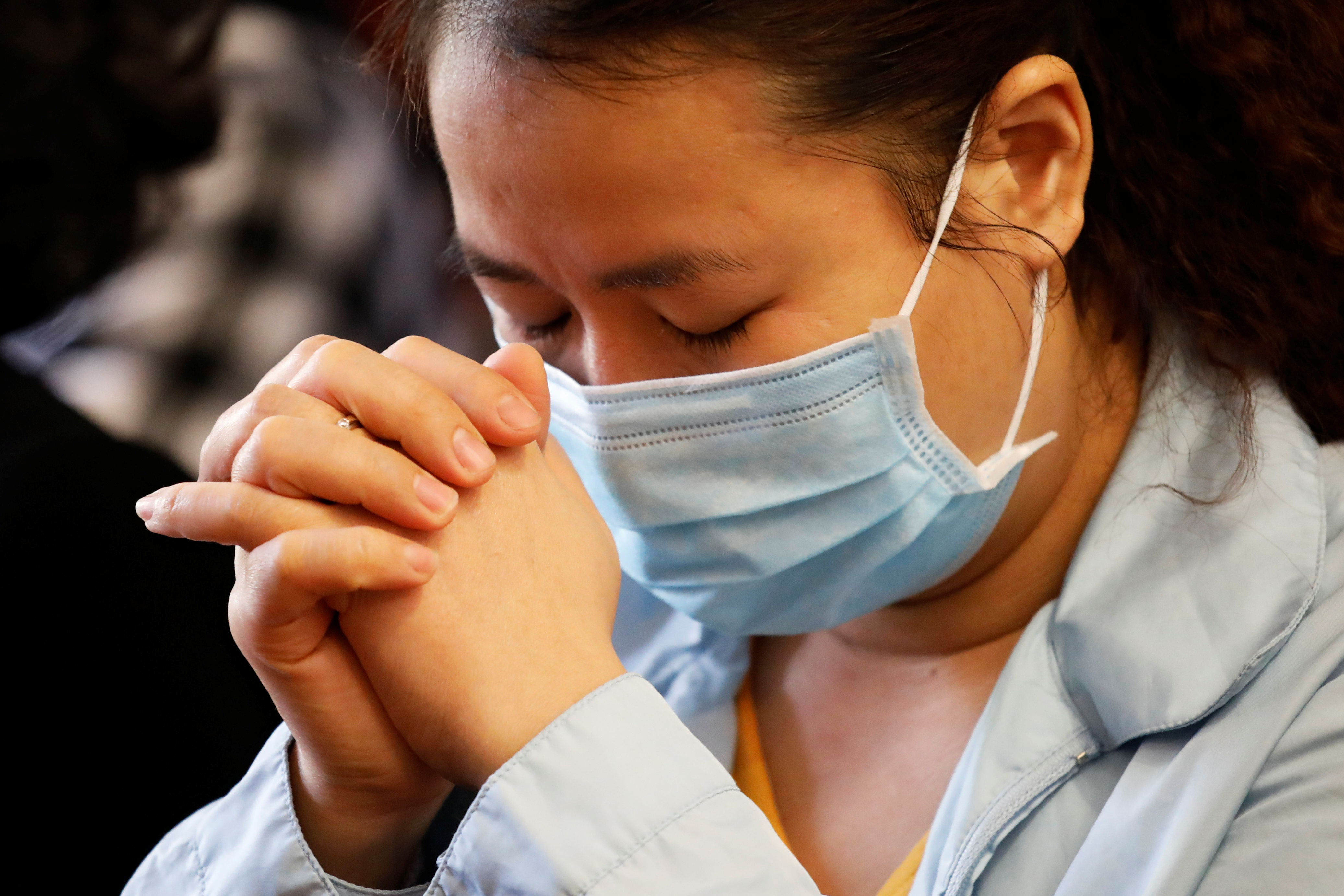 The challenge that Jesus puts before us as he speaks to the Samaritan woman is timely for us: those who drink of the water that I will give you, will never be thirsty again. Surely, this is going too far; surely now our focus should be on ourselves and our own safety? Or do we dare to be challenged and think what it may look like for us to leave our water-jars at the well to go and tell people about the living water? So this morning, I would like to think a little bit about how we can have a genuinely Christian response to our crisis. It comes with a disclaimer: it is no official health advice, but rather food for thought in these challenging times.


 Or are you maybe a little bit like myself? When I start thinking about what I should or would like to change about my life, I easily get overwhelmed. There seems to be so much that I could and should do better, that I don’t even know where to start. Therefore, also this year I have fallen back to my default resolutions: giving up alcohol, praying more and spending more time with God.
 Or think of wedding receptions and funeral wakes, where often you find yourself sharing your thoughts with people who were strangers to you the day before. And then there are the events that for some of us have shaped our lives: a tragic accident or the painful experience of losing a loved one. They often bring people closer together. However, as we all know too well too, these experiences can also drive people apart. Good friendships or relationships may be formed, but also be lost, in the wake of trauma.
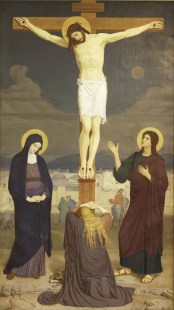
 It’s Palm Sunday today, the beginning of Holy Week when we remember Jesus’ last week of earthly ministry and prepare to celebrate the Easter mysteries. And so it is the most important week in the Christian year. I’m wondering what this week will hold for you? Is it a week in which life almost seems to come to a stand-still, where the day-to-day routine fades to the background and in which all becomes focussed on your spiritual life? Or is it a week more or less like any other, possibly punctuated by one or more services before next Sunday, and hot-cross buns on Friday?
 John’s purpose is to articulate the belief that Jesus was the Son of God, who was born in human form, died and rose again. He is trying to understand and to help us understand what it means for the Scriptures to be fulfilled as the Word became flesh. In contrast to some other parts of Scripture, I would like to suggest therefore that the theological background of this particular passage is more important than its historical context, and so that is what I would like to focus on this morning, hoping that it will give us a better appreciation of what Jesus may have meant by that last – easily misinterpreted phrase – ‘You always have the poor with you, but you do not always have me.’
 In
In Discovering Life