A sermon for the Fifth Sunday of Easter
Acts 7.55-60 & John 14.1-14
We have been adjusting to a new and unfamiliar way of life now for almost two months. We have come to realise the things we miss, and our hopes for the future. The news in these past few weeks has focussed almost solely on Covid-19, and I do wonder if we are indeed focussing too much on ourselves, but I will come back to this later.
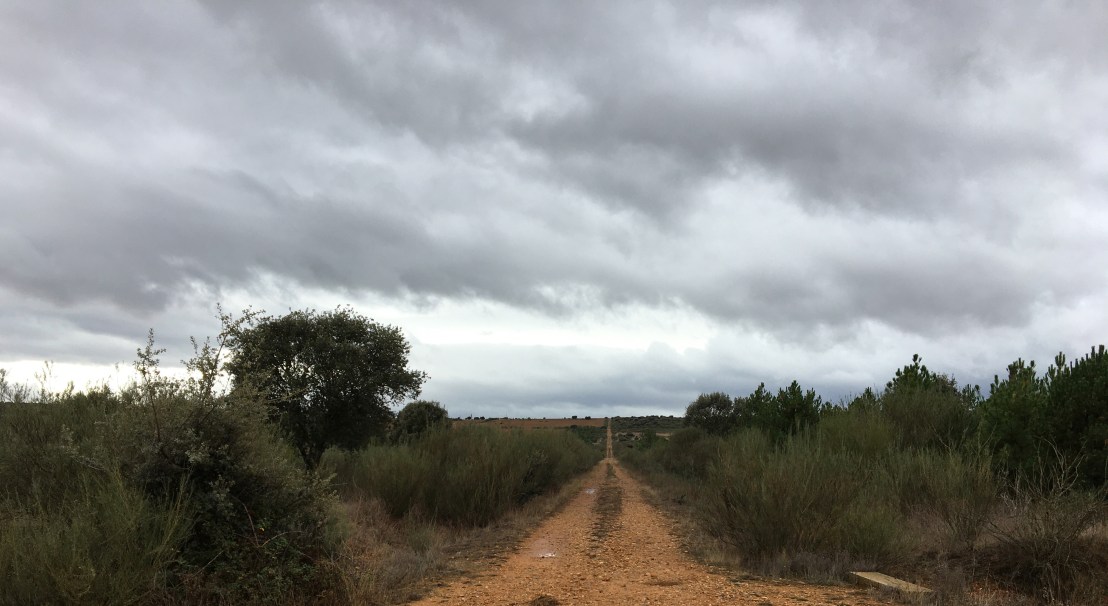
The one day on which the news here in the UK was different, was last Friday: VE or Victory in Europe Day. I suspect a particularly poignant day for those of you who remember the first VE Day: Churchill’s memorable speech and street parties throughout the country. The question in how far the Church should be involved in civic celebrations such as VE Day and Remembrance Day has always been a topic of conversation, as there is a wide range of opinions on the relationship between our faith and armed conflict.
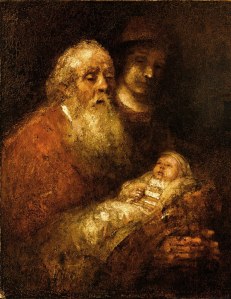 The story we hear this morning will be familiar to many: the presentation of Jesus in the temple. Following Jewish tradition, Joseph and Mary present Jesus, their first-born son, in the temple to give thanks and ask God’s blessing upon his life. They encounter two people, Simeon and Anna, who are often mentioned in one breath. But looking a little closer, it these two people do not have as much in common as we might think. This morning, I’d like to have a closer look at the person of Simeon, and what happens to him when he sees Joseph, Mary and their child.
 If you feel that this morning’s parable in Luke’s Gospel is a little bit confusing, you are certainly not the only one. For centuries, Christian theologians have been puzzled by the structure and meaning of the story of the dishonest manager. I even consulted my German compendium on Jesus’ parables, which doesn’t happen very often, witnessed by the eight-year old bookmark I found … Some themes are obvious: the parable has something to do with honesty and our attitude to wealth, but its overall message is by no means entirely clear.
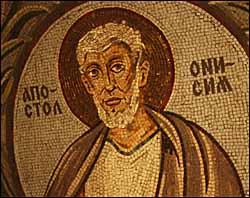 Paul’s letter to Philemon, which we hear this morning, is one of the shortest books of the Bible. We have just heard most of it, apart from the final few verses. Most scholars agree that the letter is authentic and written by Paul in prison, either in Ephesus or in Rome.
 Discovering Life