An address given at Marlborough College Chapel
Feast of St Michael and All Angels
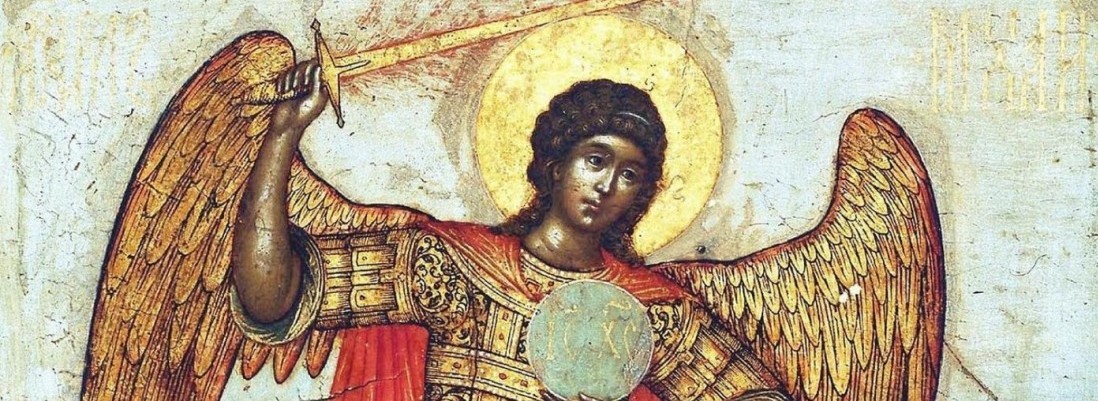
Every year, on 29th September, the Church throughout the world celebrates the festival of St Michael and All Angels. As some of you may know, Marlborough College Chapel is dedicated to St Michael and All Angels. I may be wrong, but the only reason I could find why was that it was consecrated on 29th September in the year 1886.
Now, celebrate may a big word for what is happening nowadays, but traditionally it was an important day in the year. Together with Christmas, Midsummer and Lady Day, it is one of the four so-called ‘quarter’ days, which mark the turning of the seasons. Of course, this day marking the end of the summer and the beginning of the autumn and the shortening of the days.
Continue reading “St Michael: The power of story and ritual”
 As some of you reading will know, Marlborough is currently without a Rector. It is a strange thought that the local Church is currently without a leader. However, todays readings remind us that being the local Church, being the Body of Christ in a place, is a responsibility in which we all share. We all have a role to play in the local Christian community, each in our own way, as well as together in relationship.
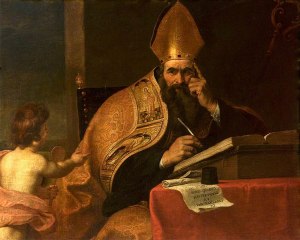 The text below is written by St Augustine of Hippo, sometime early in the 5th century. St Augustine is one of the most important writers in Christian history, and I have to admit one of my favourites. I find the best way to approach his work is not as a Religious Studies textbook for the fifth century, but on the contrary, almost like poetry. Words that try to give meaning to something we feel or believe, but is very hard to articulate.
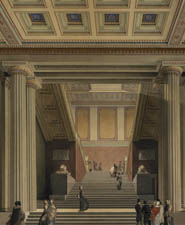 Doing a bit of last-minute research in advance of Shell Chapel later today, I discovered that the British Museum was one of the first buildings in the UK to be lit electrically. Candles and oil lamps would have been too dangerous and their smoke would have damaged the artefacts. This means that before the lights were installed in the late nineteenth century, often the building had to close early because it would get too dark to see anything.
 Every month, the Marlborough Churches Together ministers meet, both to support one another, as well as to discuss what we may do together. One of the things we have been doing together for a long time is the walk of witness on Good Friday. And ever since I have been here, every time we meet, this is a point of discussion. Some of us feel that Good Friday is a solemn day, so the procession through the High Street should reflect this. Others feel that a solemn procession is a terribly poor witness to the Christian faith, and we should be more upbeat and joyful to show the good news of the Easter message.
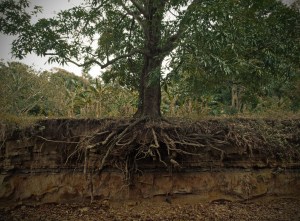 The start of the academic year means a new beginning in many ways: new faces, new subjects, new responsibilities, and hence an opportunity to find new habits and routines. This being my second full year at Marlborough College, however, the beginning of the year has also meant a certain continuity: familiar faces, catching up with friends and colleagues, and of course in many cases continuing where we left off academically.
 In this passage from Mark’s Gospel, Jesus specifically speaks about laws and customs around food. The Jewish had and still has rather strict rules about what can and cannot be eaten under certain circumstances, and how food is to be prepared and eaten. In the verses that are omitted from the reading this morning, Mark makes the comment that Jesus has now declared all foods clean.
 When I was teaching a physics course a few weeks ago, one of the questions asked was how I reconcile science and religion. In answering that question this time around, I realise that the answer has changed over the years, and I would not be surprised if it will continue to change. So to start with a disclaimer: don’t hold me to this answer forever.
 Discovering Life