Sermon St John the Baptist, Mildenhall
Advent Sunday, 1st December 2019
“But about that day and hour no one knows, neither the angels of heaven, nor the Son, but only the Father.” In this Gospel reading from Matthew’s Gospel set for the first Sunday of Advent, Jesus is speaking about the end of the age, also known as the second coming or the day of judgement. It is a reminder to us that during this season of Advent we are not only preparing for Christmas, for the celebration of God becoming one of us some two-thousand years ago, but we are also preparing for the end of the age, the day about which no one knows. How we can prepare for that day, and how we can do that in such a way that we do not fear, but instead anticipate with readiness and joy, the unknown of God’s judgement?

Last week, I was visiting someone in hospital. She had just received the diagnosis of a terminal illness. Although we talked about Christmas, it was clear that for her it was very uncertain what this Christmas would look like. For her, this season of Advent would be a time to prepare in a very real way for the day and hour that we will all face, but of which no one knows. Continue reading “A journey into the unknown”
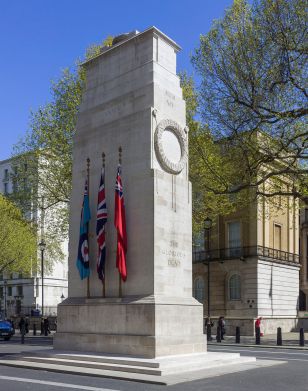 Today we are joining people throughout our nation to mark Remembrance Sunday. In our Act of Remembrance that follows this Communion service, we bring to mind those who have lost their lives fighting for peace and freedom. As we hear the names of those of this parish who died during the two Great Wars, we are once more reminded of the scale of loss that this country, and other nations, suffered.

 If you feel that this morning’s parable in Luke’s Gospel is a little bit confusing, you are certainly not the only one. For centuries, Christian theologians have been puzzled by the structure and meaning of the story of the dishonest manager. I even consulted my German compendium on Jesus’ parables, which doesn’t happen very often, witnessed by the eight-year old bookmark I found … Some themes are obvious: the parable has something to do with honesty and our attitude to wealth, but its overall message is by no means entirely clear.
 In today’s Gospel reading, Jesus tells us two familiar parables: the lost coin, and the lost sheep. Deliberately trying to provoke, or at least to startle, He starts by saying “Which one of you would not …”. I’m not sure about you, but when I’ve lost something not so essential, I usually just wait for it to turn up again. If I can’t find the pen I was using, I’ll grab another one lying around. Unlike the woman in our reading this morning, I would certainly not spend hours looking for a missing coin, if I had nine others lying around.
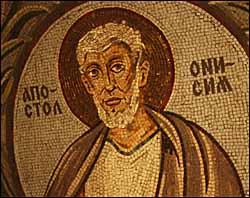 Paul’s letter to Philemon, which we hear this morning, is one of the shortest books of the Bible. We have just heard most of it, apart from the final few verses. Most scholars agree that the letter is authentic and written by Paul in prison, either in Ephesus or in Rome.
 I have to admit and apologise that this week my mind has been not so much on preparing a sermon for Sunday, but I have been preoccupied with finalising the arrangements for the Get There! holiday club. Both of these problems, of course, could have been solved by better and more thorough planning, but equally, it was a good distraction from what is happening politically at the moment.
 Discovering Life