This is the second of five reflections following my pilgrimage to Santiago de Compostella. As I was walking, I quickly realised that I was not only part of a community of walkers, but also of a community that extended far beyond.
Behind the scenes
Even before I set off on my pilgrimage, I already felt part of a community of walkers (and cyclists): friends who had already been and were ready to give me good advice, both practical and spiritual. Walking the Camino gives you something in common very quickly.
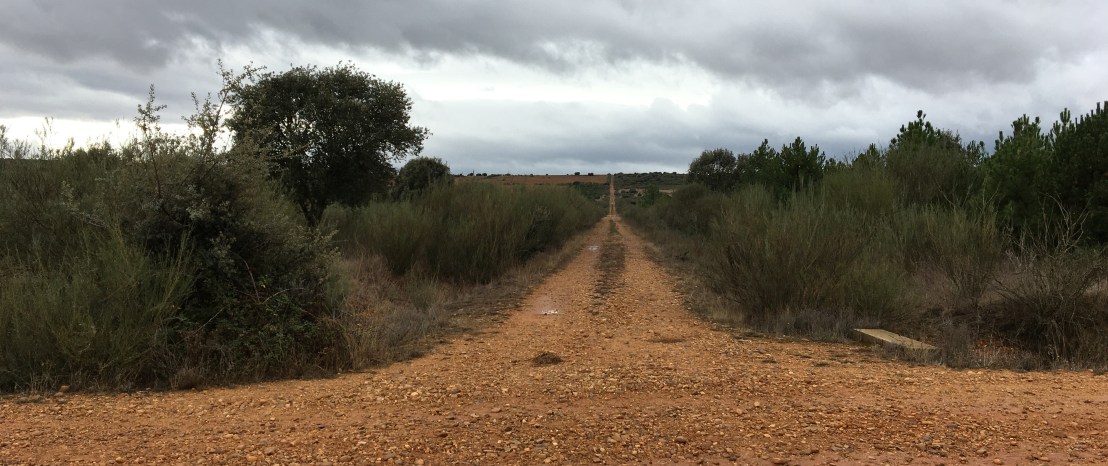 This sense of belonging to a community was also my experience as soon as I arrived in Madrid. At the train station I met an Italian walker, who was also heading to Leon to start her journey there. We talked a little, and then made our way to our allocated carriages. I saw her again a few times in the following week. Although I did not set out to make great friends, the conversations and encounters on the way were moving and profound, whether we shared a common language or not.

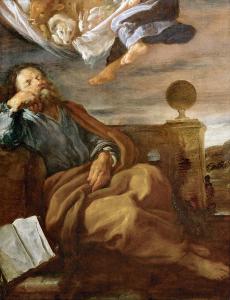 I remember a Church meeting a few years ago, in which there was a disagreement over the right course of action. I don’t quite remember what the conversation was about, but maybe it was something rather trivial like the colour of painting, or maybe more precisely, the shade of white we were going to use to paint the church hall. It was clear it was hard to find a way forward as too many people had a too passionate opinion about the matter. Until one person said “Well, I have prayed about this and we need to go for ivory white.” So, the decision was made: it is hard to argue with God’s word.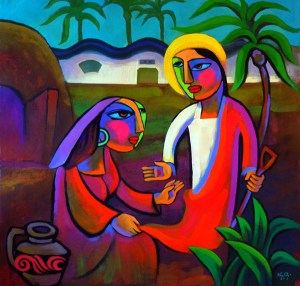
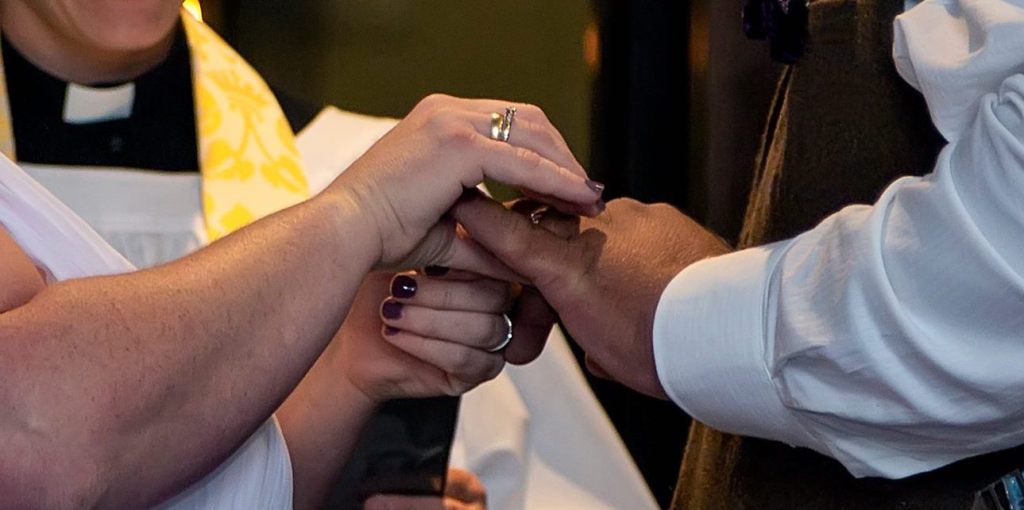
 Or think of wedding receptions and funeral wakes, where often you find yourself sharing your thoughts with people who were strangers to you the day before. And then there are the events that for some of us have shaped our lives: a tragic accident or the painful experience of losing a loved one. They often bring people closer together. However, as we all know too well too, these experiences can also drive people apart. Good friendships or relationships may be formed, but also be lost, in the wake of trauma.
 In
In
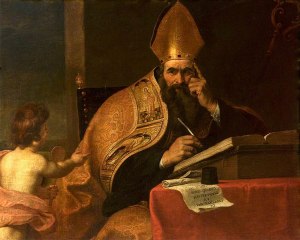 The text below is written by St Augustine of Hippo, sometime early in the 5th century. St Augustine is one of the most important writers in Christian history, and I have to admit one of my favourites. I find the best way to approach his work is not as a Religious Studies textbook for the fifth century, but on the contrary, almost like poetry. Words that try to give meaning to something we feel or believe, but is very hard to articulate.
 Discovering Life