The Wedding at Cana: God’s glory revealed
Sermon preached at St Mary’s Calstone 21 January 2018: Epiphany 2 John 2:1-11
This morning we hear about Jesus’ first miracle: turning water into wine at the wedding feast in Cana. It is the first of seven miraculous signs told by John, and the only one unique to his Gospel account. That fact made can make us wonder: why would one have changing water into wine as a first miracle? Why use this specific story to start the revelation God’s glory made known in the person of Jesus?
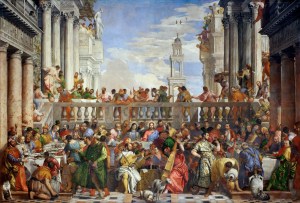 One reason may be that it was historically the first miracle Jesus did. But why is it then not recorded in the other Gospels? I think more important than the historical question if it really was the first miracle Jesus performed, are the many theological undertones of the story. And maybe the first thing we need to do is to see where it fits in to John’s Gospel.

 Discovering Life