Sermon 9th February 2020 St George’s Preshute
3rd Sunday before Lent: Matthew 5.13-20 & 1 Corinthians 2.1-12
The passage we hear this morning is set at the start of Jesus’ sermon on the Mount. I suspect that the images are familiar to many of us. The phrases ‘salt of the earth’ and ‘light of the world’ have become very much part of our shared vocabulary. They are also particularly apt at this time of interregnum, moving hopefully towards the appointment of a new Team Vicar, because the words give us an idea of what discipleship looks like. Not just for the crowds who were addressed two-thousand years ago, but also for us, here at St George’s in the twenty-first century.
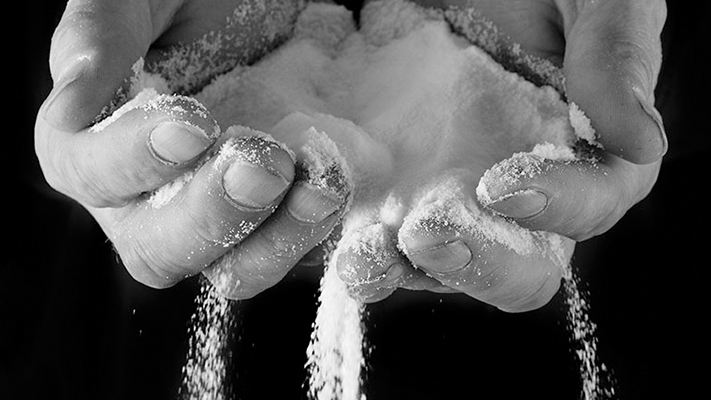
The first thing to not is that in this passage, Jesus addresses his listeners directly: ‘You are the salt of the earth’, ‘You are the light of the world’. These words are said to us, the challenge that following Jesus means is ours. Here in Preshute you have been very good in sharing this calling together, with a great diversity of services and events, as well as an impressive level of pastoral care for others. But is there still something we can learn from this passage? What might it look like to be salt and light, here and now?
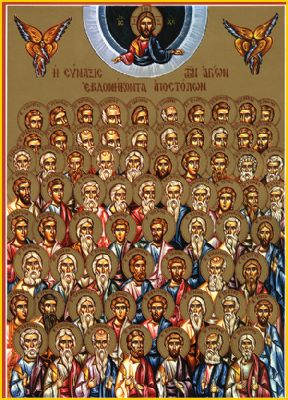 Today’s Gospel reading from Luke speaks about the mission of the seventy, or the seventy-two, depending on which sets of manuscripts are to be believed. The precise number doesn’t matter theologically, as both indicate an expanded scope from the mission of the twelve disciples, which is recorded by Matthew and Mark, as well as by Luke.
 This last weekend of June is traditionally the time at which ordinations take place, as on 29th June the Feast of St Peter and St Paul is celebrated, two of the earliest followers of Christ. In cathedrals across the world, people are committing their lives to a diaconal or priestly ministry, promising before God and others to serve the Church in this particular way. Ordinations are a public commitment to a certain way of life, of discipleship, in a similar way to confirmation and baptism, as well as weddings. What all these services have in common, I think, is that they give everyone an opportunity to celebrate, as well as to reflect on our own unique calling, expressed through the commitments we ourselves have made at various times in our lives.
 Today’s Gospel reading follows last week’s reading of the feeding of the five thousand. As then, also now, we are invited to reflect on who Jesus is using the familiar image of bread. Last week’s message in many ways was a very comforting one, both for the early readers of the Gospel as well as for us. With God there is always enough and even more. God gathers up what is left over and it is used. Both messages that give us reassurance about God’s loving nature and his care for us.
  In contrast to Advent, it seems to me, where every Sunday we light one more candle until it is Christmas, in Lent, the mood gets darker and darker as we approach the end of the season. Indeed, Good Friday still stands between us and Easter at this point. Personally, I find myself often conflicted in these last weeks before Easter: part of me is eagerly anticipating the joy of the Easter celebration, whilst another part of me knows there is still more work to be done before I am ready to appreciate the fullness of Jesus’ Resurrection. I almost feel like I’m watching a solar eclipse on the horizon: the shadow of Good Friday slowly moving to cover the glory of Easter, only to be seen again in all its fullness when the shadow has passed.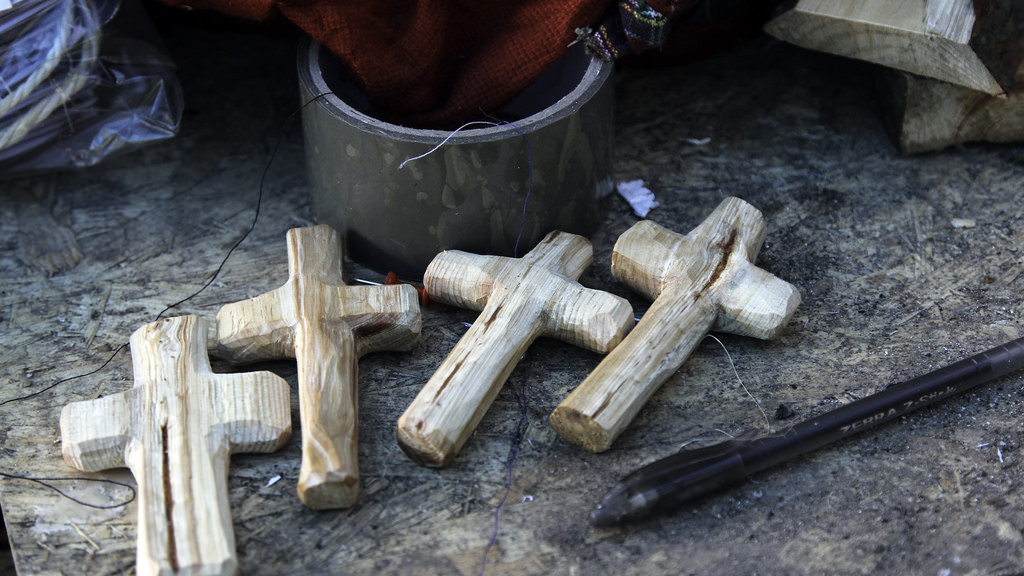
 Those of us who follow the Church of England lectionary, hear once more the famous words of the beginning of John’s Gospel: The Word was made flesh and lived among us. It was not that long ago that we heard the same reading read on Christmas Eve, or Christmas morning, and many of us will associate these famous words about the Word becoming flesh indeed with Christmas celebrations.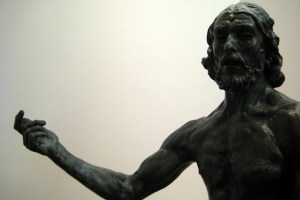
 Last Wednesday I went to a
  Discovering Life