Sermon 9th February 2020 St George’s Preshute
3rd Sunday before Lent: Matthew 5.13-20 & 1 Corinthians 2.1-12
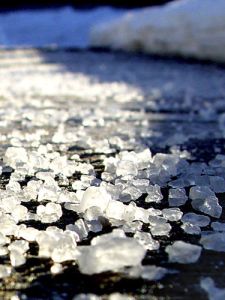
The passage we hear this morning is set at the start of Jesus’ sermon on the Mount. I suspect that the images are familiar to many of us. The phrases ‘salt of the earth’ and ‘light of the world’ have become very much part of our shared vocabulary. They are also particularly apt at this time of interregnum, moving hopefully towards the appointment of a new Team Vicar, because the words give us an idea of what discipleship looks like. Not just for the crowds who were addressed two-thousand years ago, but also for us, here at St George’s in the twenty-first century.
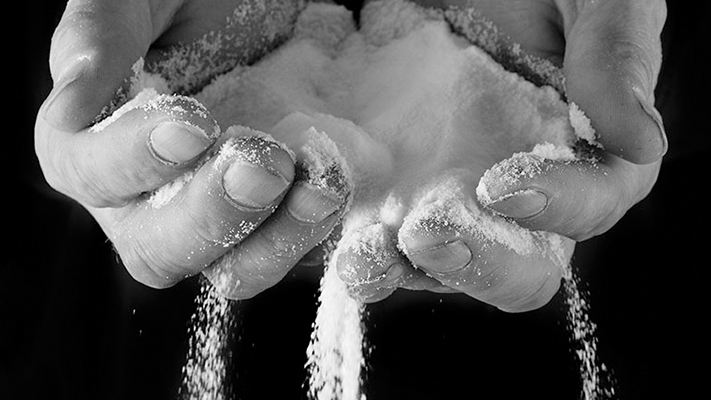
The first thing to not is that in this passage, Jesus addresses his listeners directly: ‘You are the salt of the earth’, ‘You are the light of the world’. These words are said to us, the challenge that following Jesus means is ours. Here in Preshute you have been very good in sharing this calling together, with a great diversity of services and events, as well as an impressive level of pastoral care for others. But is there still something we can learn from this passage? What might it look like to be salt and light, here and now?
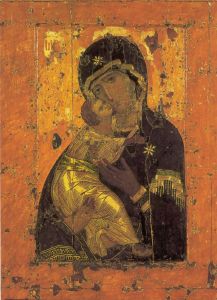
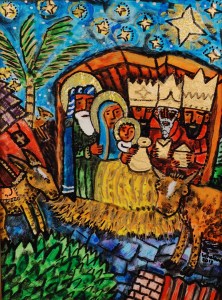 The Gospel reading set for the Feast of the Epiphany is the reading of the wise men visiting Jesus: a scene we often associate with the Christmas story itself. Indeed, it is the Christmas story in Matthew’s Gospel, who does not include shepherds or choirs of angels as in Luke’s version, but narrates the story of the Incarnation here. Hence, the Christmas story as we often hear it in nativities and see it in cribs is a conflation of the two different Gospel accounts.
 I had every intention for my journey to be a true pilgrimage, preparing myself not only practically, but also spiritually. I went to Confession beforehand, prayed for a blessing upon these two weeks and decided not to take any books apart from my Bible. Working as a school chaplain means in many ways finding yourself at the fringe of the Church community, so I felt that this pilgrimage was an opportunity to focus on my inner spiritual and religious life.

 It’s not easy to be in an interregnum, as I’m sure the Churchwardens and many others will agree. The extra work, the extra responsibility and the uncertainty what the future of the church in Marlborough will look like. On the other hand, there is also, I suspect, a sense of excitement: what new opportunities will lie ahead of us, and the opportunity for people to explore their gifts within in the church community.
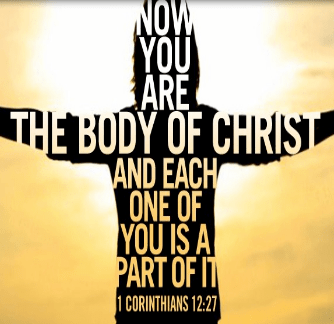
 As some of you reading will know, Marlborough is currently without a Rector. It is a strange thought that the local Church is currently without a leader. However, todays readings remind us that being the local Church, being the Body of Christ in a place, is a responsibility in which we all share. We all have a role to play in the local Christian community, each in our own way, as well as together in relationship.
 When I was teaching a physics course a few weeks ago, one of the questions asked was how I reconcile science and religion. In answering that question this time around, I realise that the answer has changed over the years, and I would not be surprised if it will continue to change. So to start with a disclaimer: don’t hold me to this answer forever.
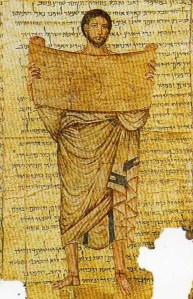 If we’re absolutely honest, I don’t think it’s hard to imagine the scene of today’s Gospel reading happening. For a moment, think back to the place where you have grown up. For some of you that may be this village, or nearby. For others it may be further away. Many of the children we went to school with, we probably haven’t seen for a while. Maybe we can think of one or two of them, who we would be surprised to see speak and teach in public with authority. So, yes, in some ways, we would probably be like one of the people in the synagogue, surprised to see someone come back and teach.
 Today is the Sunday between Ascension Day and Pentecost. It is interesting, I think, how in the UK Ascension Day does not really feature, whereas on the Continent in most countries it still is a public holiday.
 Discovering Life