Sermon for Advent Sunday at Holy Trinity Hurstpierpoint
Sunday 29th November 2020, Isaiah 64.1-9 and Mark 13.24-end
This Sunday, we mark the beginning of the season of Advent. Four Sundays until Christmas, and traditionally a time of preparation as we anticipate the Incarnation by prayer, the reading of Scripture and fasting. A time of waiting, during which we are invited to reflect on our readiness to celebrate the birth of Jesus. At the same time, during Advent, we are also invited to look ahead to the final coming of Christ as our judge and redeemer and our readiness for that.

Over the years, as society has grown more secular, we have lost some of the immediacy of these two aspects of Advent: the waiting and the judgement. For many of us, Christmas starts no longer on Christmas Eve, but on 1st December. We seem to have lost the ability to wait, as we live in a time where everything is available at the click of a button. We also live in a society that has become weary of the language of judgement, and the idea that we are accountable has become increasingly uncomfortable; a language we try to avoid.
This is how I probably have started most Advent sermons and reflections over the past few years. But this year is different. This year, we have been confronted with a time of waiting that we have not experienced before. This year, we have come to realise that we cannot get everything we want when we want it. At the same time, we are also become more acutely aware of the consequences of our actions. So maybe we need to be challenged too by that uncomfortable language of judgement.
Continue reading “Are you ready?”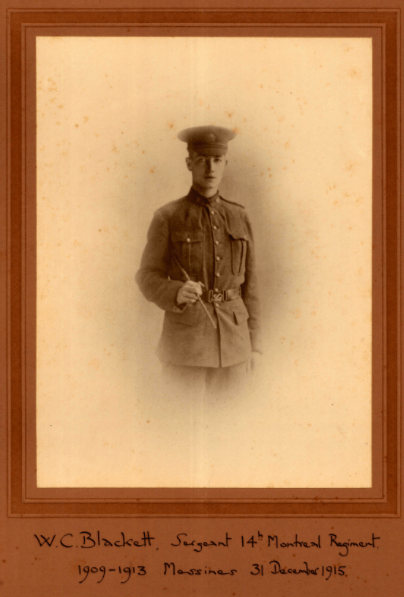
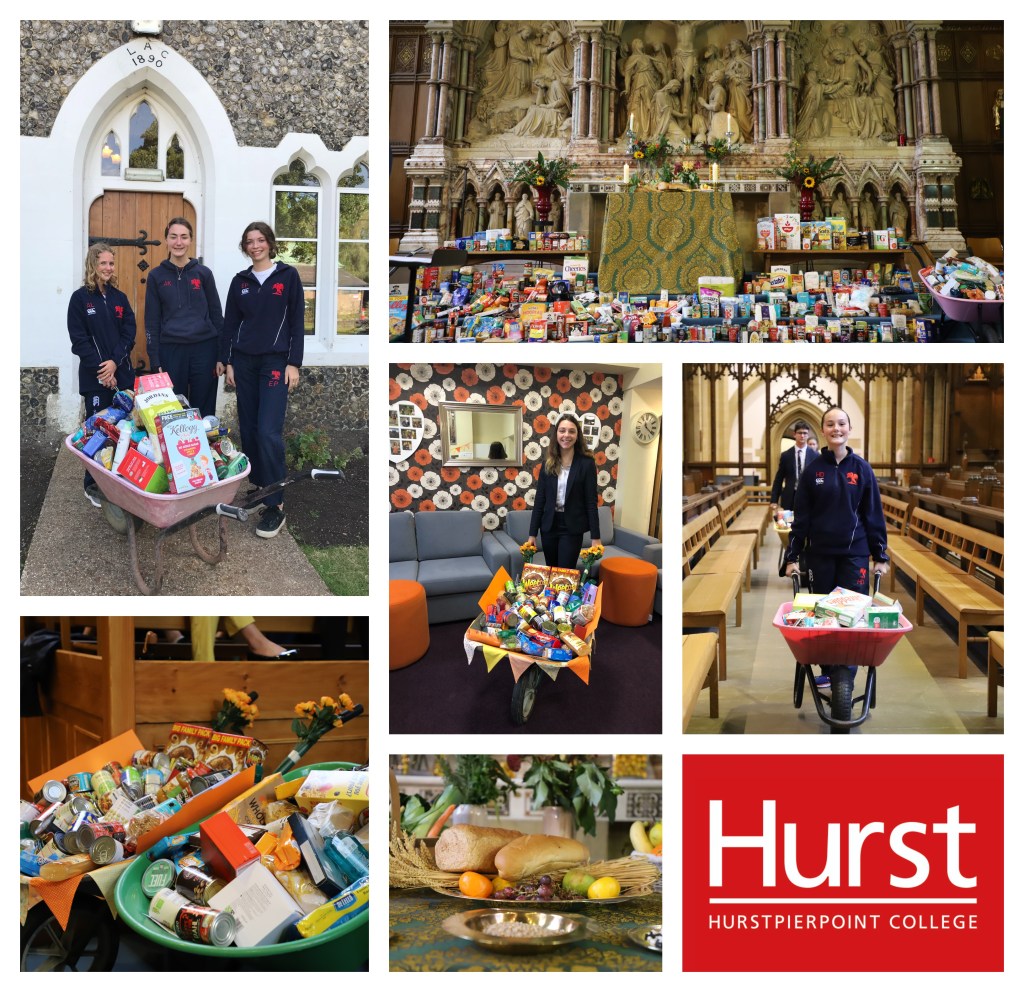
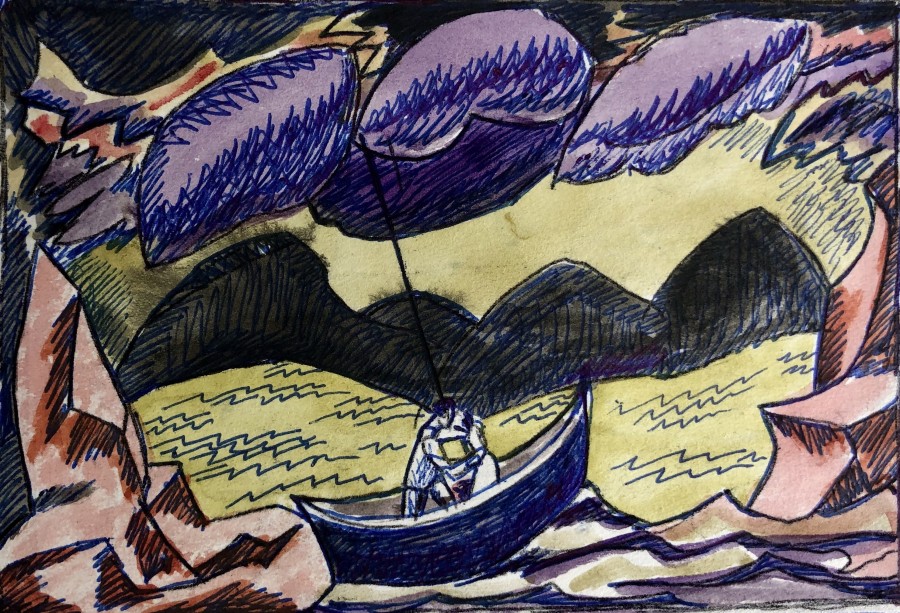

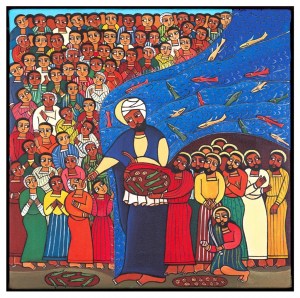 When I hear the story of the Feeding of the 5000, immediately the image of an All Age service a few years comes to mind. The Open the Book team acted out the story of the ‘Marvellous Picnic’, and I remember the discussions on the logistics of how the bread should miraculously be multiplied after Jesus – a role impressively played by Anna – blessed the loaves and broke the bread.
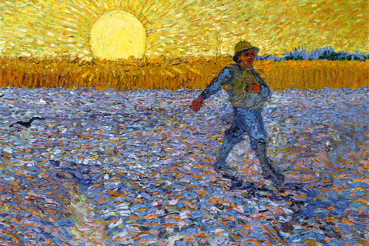 This morning we hear two iconic stories, which I am sure are familiar to many of us. The story of Jacob and Esau, in which Esau sells his birth right for an evening meal, and the parable of the sower, in which we hear about four types of different soil. As always, I think, when we read or hear these passages, the question to us is how we relate to them. How may these words speak to us today, this morning? What is it that we need to hear? The way I often try to do this is by imagining myself to be one of the people in the story or imagining what it would be like meeting one of them.
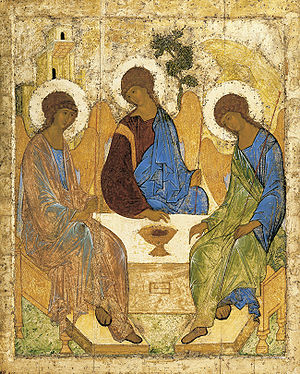 Today, the Sunday after Pentecost, is Trinity Sunday. The Trinity is one of the most fundamental beliefs in Christianity. It is the belief that God is both one God, but yet three persons: Father, Son and Holy Spirit. The first defence of the doctrine of the Trinity does not occur until the 3rd century, and the concept as such is not mentioned in the Bible.
 Discovering Life