A further reflection on words, based on a sermon preached at St George’s Preshute on the Second Sunday before Lent.
 Those of us who follow the Church of England lectionary, hear once more the famous words of the beginning of John’s Gospel: The Word was made flesh and lived among us. It was not that long ago that we heard the same reading read on Christmas Eve, or Christmas morning, and many of us will associate these famous words about the Word becoming flesh indeed with Christmas celebrations. Continue reading “When time and eternity meet”

 Friday evening has always been my favourite evening of the week. Before I was a vicar, it meant it was the beginning of the weekend. When I became a vicar, it meant the only evening without meetings or sermons to write. And when I joint the College, it became my duty evening in New Court, on of the girls’ boarding houses. Certainly aided by the Housemistress’s hospitality and a glass of wine, I really enjoy the range of conversations you girls have in your houses, and the way in which you let tutors share in them.
 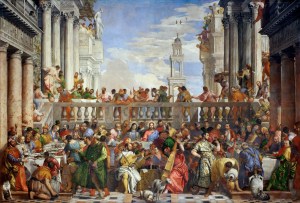 One reason may be that it was historically the first miracle Jesus did. But why is it then not recorded in the other Gospels? I think more important than the historical question if it really was the first miracle Jesus performed, are the many theological undertones of the story. And maybe the first thing we need to do is to see where it fits in to John’s Gospel.


 I don’t know if it’s just me, but at this time of year, with the endless lists of the past year being published, I find it very hard not to start measuring myself against the achievements of others. What may have been a healthy reflection on who I am, becomes an unhelpful realisation of all the things I have not achieved yet and probably will never do.
 On this first Sunday after Christmas, in many churches, the Holy Family is the central theme. There are times in the Church year when we remember Mary and Joseph individually, but this day we are invited to think about them as a family. What struck me a couple of years ago, when reflecting on this theme, is how Joseph, despite not being Jesus biological father, is fully given this father-role in Scripture and tradition. Joseph, as foster-parent or adoptive parent is not only taking the responsibility as Jesus’ father, but is also treated as such. For me, this is already an early sign that God in Jesus embraces all complexities of human life, including the complexities of family life.
 Discovering Life