Advent is a time to prepare for Christmas. As any celebration, Christmas needs those preparations. It is much nicer to receive or give a present which is just right for someone, rather than a last-minute bought gift, a bouquet of flowers from a service station, which was rather unimaginative, as we ran out of time really thinking about it.

Also, there is a lot of fun to be had in the preparations themselves. Decorating the Christmas tree is often more fun than just looking at it, and who doesn’t like a shopping trip to one of the Christmas markets? However, particularly with the normal busyness of life, it can all become a bit much and we continuously feel that we are running out of time and getting more and more tired. There can come a moment that not only the extra commitments become a bit much, but everything we need to do is one thing too many. I’m sure that many of us recognise this feeling, particularly in these dark days that mark this time of the year.

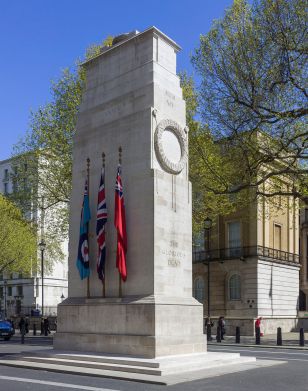 Today we are joining people throughout our nation to mark Remembrance Sunday. In our Act of Remembrance that follows this Communion service, we bring to mind those who have lost their lives fighting for peace and freedom. As we hear the names of those of this parish who died during the two Great Wars, we are once more reminded of the scale of loss that this country, and other nations, suffered.
 This year is the third year in which Churches throughout the world are joining in an initiative called ‘Thy Kingdom Come’. It started in 2016 as an invitation from the Archbishops of Canterbury and York to use the eleven days between Ascension Day and Pentecost as a time to renew our commitment to prayer. Since then, the initiative has grown into a worldwide, ecumenical movement with Churches from over 65 different denominations in 114 countries around the world. One can wonder of course if it is a good thing to even have 65 different denominations, but it shows the scale of the movement.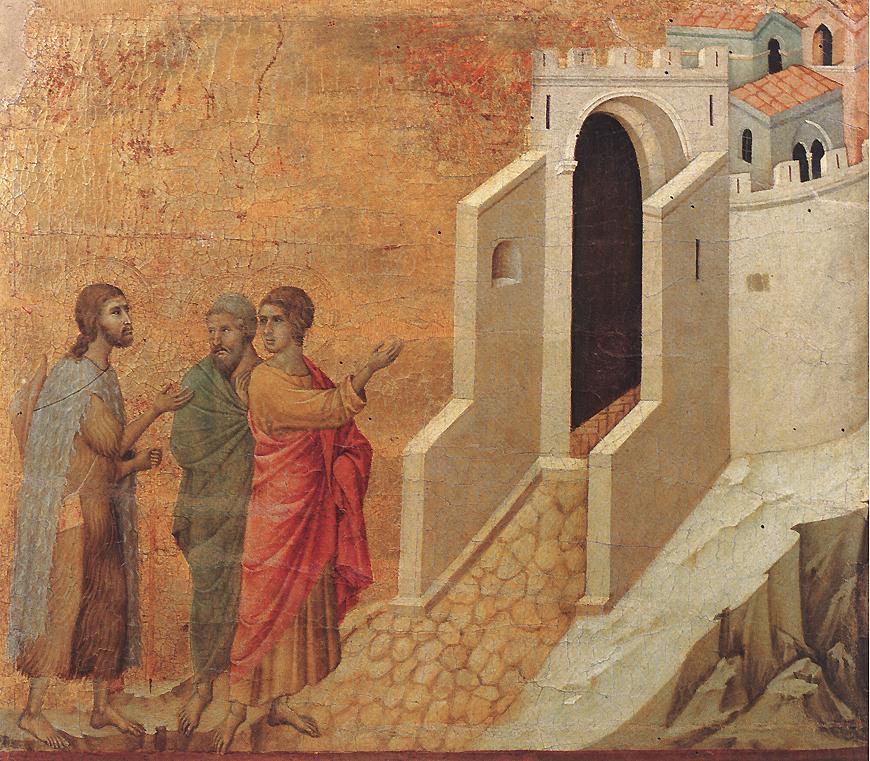

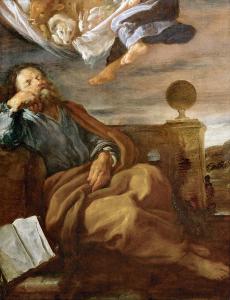 I remember a Church meeting a few years ago, in which there was a disagreement over the right course of action. I don’t quite remember what the conversation was about, but maybe it was something rather trivial like the colour of painting, or maybe more precisely, the shade of white we were going to use to paint the church hall. It was clear it was hard to find a way forward as too many people had a too passionate opinion about the matter. Until one person said “Well, I have prayed about this and we need to go for ivory white.” So, the decision was made: it is hard to argue with God’s word.
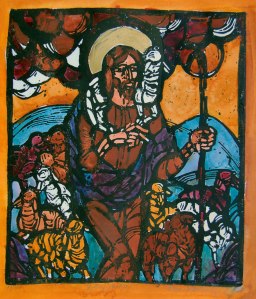 I wonder what you think about the question above; a question that the Jews ask Jesus in our Gospel reading today: is it an unreasonable request? Or is it a question we have asked ourselves at times too? If God exists, why doesn’t he show himself a bit more clearly? It is a question I often hear my pupils asking when we speak about the possibility of the existence of God. Their argument is fair enough: if God is all-powerful and all-loving, why doesn’t he show himself, why does he allow suffering in the world? It is an age-old question, and I don’t think that there is a completely satisfactory answer to it. For me, Jesus’ reply to the Jews this morning may point in the direction in which we may start to look for an answer, but not without difficulty.
 The news over Holy Week and Easter was dominated by two devastating events: the fire at the Notre Dame and the horrendous Easter Day shootings in Sri Lanka. Now, at the beginning of May, both these events seem to have disappeared almost completely from the news head
 Discovering Life