Written for the Marlborough LitFest edition of Tower and Town.
 When I was asked recently what I had been reading theologically, I had to admit that most of the books I read over the summer had been novels. Some were recommended by friends, others I had picked up because they looked interesting and not too heavy for a summer’s evening. I don’t think that was the expected answer, but I suspect I have learnt at least as much from reading good fiction as I have gained understanding by reading more academic works.
Although I am by no means an expert, for me a good book tells me something about myself, and the world in which I live. In one way or other I can identify with the characters, or recognise some of the scenarios which are brought to life. One particular book that has stayed with me is ‘The Cut Out Girl’ by Bart van Es.
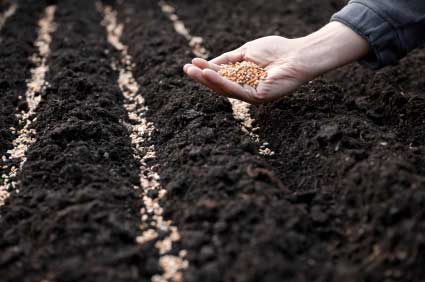 The reading set for today is the well-known parable of the sower (Matthew 13.1-9). We hear how the sower’s seeds fall on different type of ground: a path, some rocky soil, amongst thorns, and some of them fall on good soil. It is a story familiar to many of us, I suspect, and there is a lot that can be said. In this short reflection, I’d like to apply the image of the sower and the seeds to our approach to teaching and learning.
 However, when we think about it, we realise that they are actually words of wisdom, conveying a truth we intuitively already know. Because I think, or I hope, that most of us here at Summer School are not here to achieve something, but rather to enjoy the process. There is no certificate, no diploma at the end for most of us, but what remains will be hopefully the memories and the discovery of skills and talents we didn’t know we had.
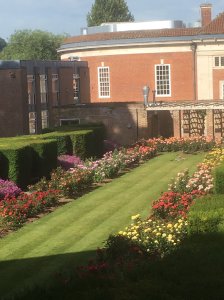 Here we are, on the last day of term. I’m sure most of us are looking forward to the holiday, to a break: a change of scenery and a change of rhythm. Some of us will travel far, others will stay closer to home. However, all of us, at least hopefully, will make it out of Marlborough. And, I also suspect that for most of us, the rhythm of the days and weeks will change for these two months: no check-in, Studies or prep. No assemblies, Chapel or fixtures.
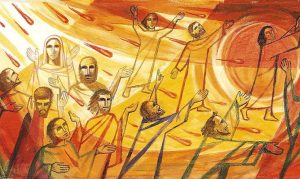 Joy and apprehension, I suspect, is what the disciples may also have felt on that first Pentecost – literally the fiftieth day – when they became filled with the Holy Spirit, and they began to speak in different languages. Both the disciples themselves and those living in Jerusalem were caught by surprise, because although Jesus had promised them the Holy Spirit would come, at the time his followers did not know what this meant or what it would look like. It is also a moment of commitment, both demonstrating God’s loyalty to His people as well as the charge given to his followers to proclaim His message to all people, in all languages.

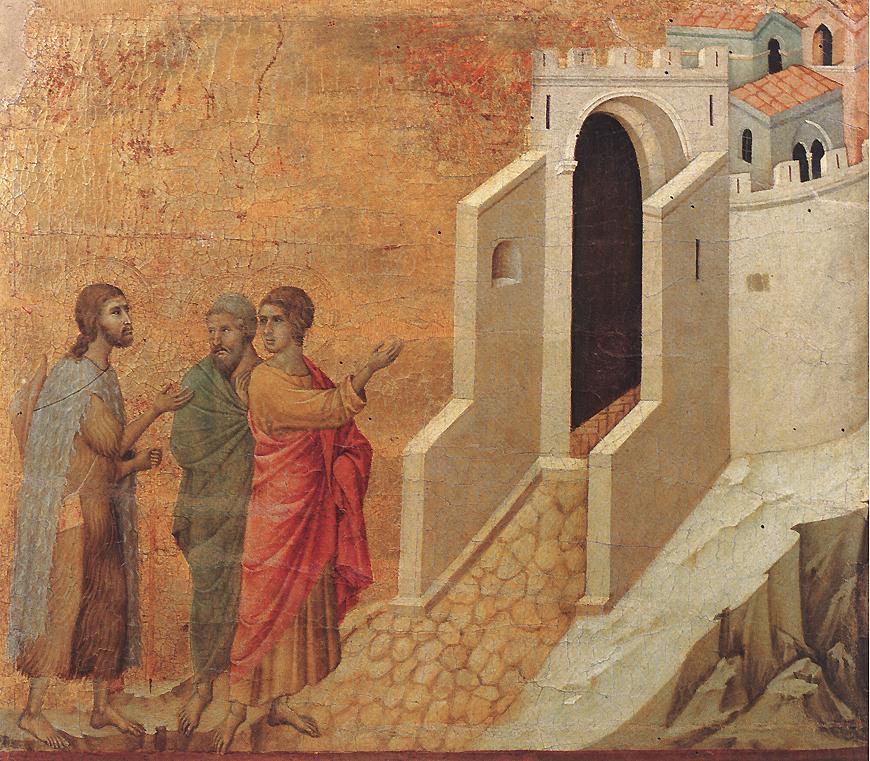

 Discovering Life